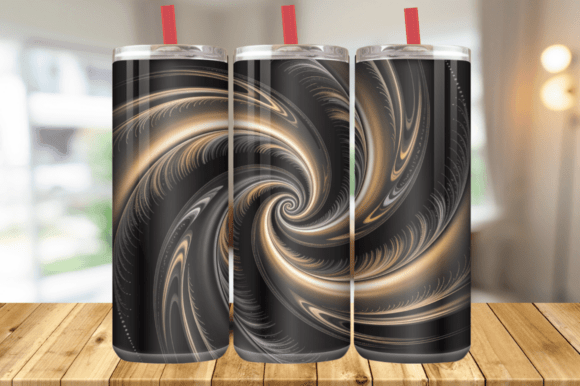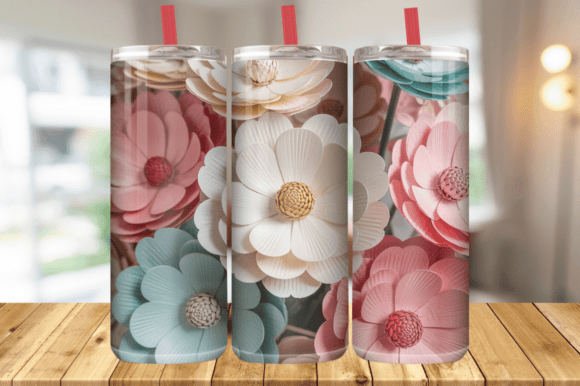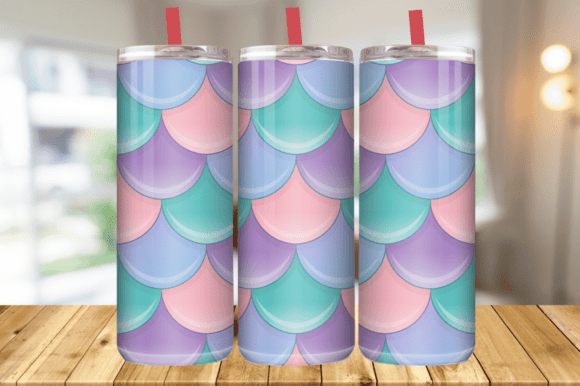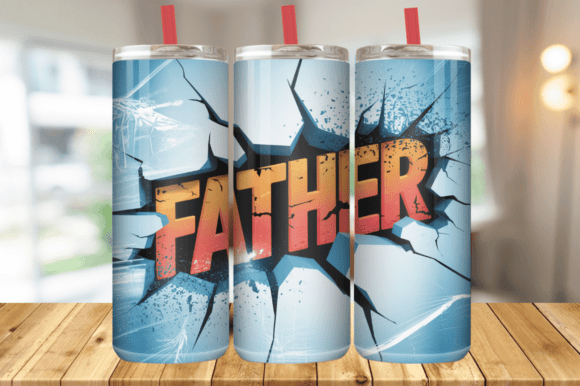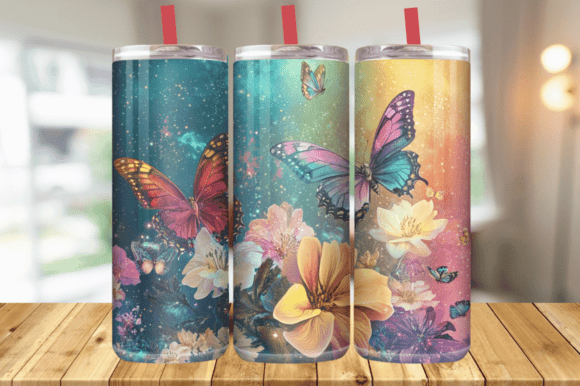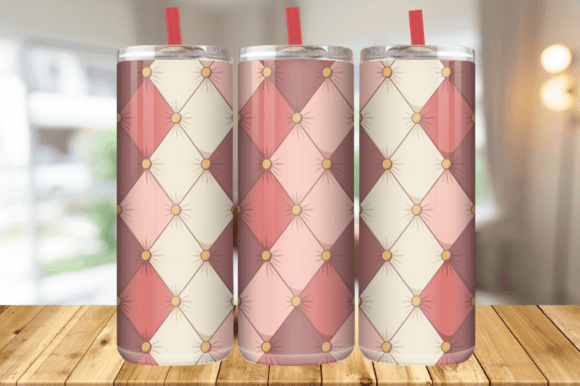
3D Quilted Puff Tumbler Wrap Sublimation
When I sit down to review a new digital asset for my studio, I am rarely looking for just another pretty picture. As a designer who spends hours at the embroidery machine, I am looking for viability. I need to know if a design will translate cleanly from screen to fabric, whether it holds up under stress, and if it adds enough perceived value to justify the time and thread cost. That is exactly how I approached 3D Quilted Puff Tumbler Wrap Sublimation. This piece arrives not merely as a graphic, but as a conceptual blueprint for texture and depth that promises to elevate standard merchandise into something tactile and premium.
The first impression of this design is one of sophisticated comfort. The "quilted puff" aesthetic taps directly into current trends where softness and dimensionality are prized. It suggests a cozy, high-end feel that works exceptionally well for lifestyle brands. Visually, the layout is structured to wrap around a cylindrical form, which immediately signals its primary application: the 20oz tumbler. However, the true test for any experienced embroiderer is versatility. Does this machine embroidery design have legs beyond its intended vessel? After analyzing the stitch flow and visual weight, I believe it does, provided we understand its limitations and strengths.
Visual Personality and Mood
This Graphics category entry carries a specific mood: warm, inviting, and artisanal. The quilted pattern creates a sense of rhythm and repetition that catches the light beautifully when stitched. Unlike flat fills, the implied volume of a puff or applique technique gives the eye a place to rest while still offering intricate detail. It feels like a design meant for slow living—perfect for coffee culture, home decor, and personal care items. The AI-crafted nature of the masterpiece ensures that the geometric consistency of the quilt lines remains precise, avoiding the wobbly edges that can sometimes plague complex patterns in lower-quality files.
For an Etsy seller or boutique owner, this visual language communicates quality before the customer even touches the product. It suggests that the item was made with care, using techniques that mimic hand-quilting but deliver the consistency of professional digitizing. This is crucial for building brand trust. When a buyer sees a finished product with clear, defined stitching that mimics a plush, padded surface, they perceive higher value, allowing you to command better prices for your handmade product line.
Real-World Application Beyond Tumblers
While the title specifies a tumbler wrap, a savvy designer knows that the best assets often cross over. I envision this design thriving on several other surfaces. Imagine this applied to a heavy cotton canvas tote bag design. The quilted texture would add structure and luxury to an otherwise utilitarian item, making it perfect for market days or corporate gifting. Similarly, on a fleece-lined sweatshirt embroidery project, the contrast between the soft fabric and the dimensional stitch work would create a stunning tactile experience.
I also see strong potential in nursery and baby markets. A baby embroidery project featuring this gentle, padded motif could be used on burp cloths, swaddle blankets, or crib bumpers (where safety guidelines allow). The soft visual appeal aligns perfectly with the needs of parents looking for personalized gift options that feel safe and comforting. Furthermore, for those selling digital embroidery file collections, including this versatile pattern expands your catalog’s appeal to makers who want to branch out from simple monograms into statement pieces.
Technical Considerations and Stitch Analysis
Here is where practical judgment comes into play. To achieve the "puff" effect described, this design likely relies heavily on fill stitch techniques combined with possibly some satin stitch borders to define the quilt squares. If executed correctly, the density must be balanced. Too dense, and the fabric puckers; too sparse, and the puff effect is lost. Because I do not have the exact stitch count or file format details for this specific AI creation, I strongly advise checking the source file for optimal stitch density.
Thread selection is paramount here. The design’s success hinges on thread colors that provide enough contrast to highlight the quilted grid without overwhelming the eye. I recommend testing metallic or variegated threads sparingly, perhaps as accents, while keeping the main fill solid to maintain clarity. When reviewing the design, always inspect small details closely. If the individual quilt squares are too tiny for your target hoop size, they may merge together during stitching, losing their distinct character. Always confirm your hoop size constraints early in the planning phase.
Where to Use Carefully
No design is universal, and this one has specific boundaries. Avoid attempting this on thin, stretchy fabrics like lightweight jersey or silk unless you are using a heavy-duty stabilizer. The tension required for a puff or dense fill effect could distort delicate materials, leading to a warped finished product. Additionally, curved surfaces like caps or hats present a challenge. While a tumbler is a cylinder, a cap crown has complex curves that might cause the straight lines of a quilt pattern to buckle if not digitized specifically for curvature. For now, treat this as a design best suited for relatively flat or gently curved surfaces.
Also, consider the end-user’s maintenance habits. If you are creating commercial embroidery items for customers who plan to wash them frequently, ensure the design is anchored well. Dense areas can trap moisture, so proper stabilizer usage is non-negotiable. Test the design on scrap fabric first, washing and drying it multiple times to check for shrinkage or distortion. This step saves reputations and prevents returns.
Final Verdict for the Creative Entrepreneur
3D Quilted Puff Tumbler Wrap Sublimation is more than just a decorative element; it is a tool for elevating your brand’s aesthetic. It offers a realistic path to creating products that look and feel expensive without requiring manual hand-stitching. For the craft business owner, it provides a unique selling proposition that stands out in crowded marketplaces. Whether you are designing holiday embroidery gifts, wedding favors, or everyday carry items, this design brings a cohesive, professional touch.
Before integrating this into your workflow, remember to verify licensing terms. Ensure you have the right to sell small shop product derivatives if you intend to use it commercially. Check whether the file includes necessary components for both printable mockup previews and actual machine execution. By approaching this asset with a critical eye and thorough testing, you can transform a digital concept into a tangible, profitable reality. It is a smart addition to any serious embroiderer’s library, bridging the gap between modern digital artistry and traditional craft appeal.