3D Flowers Tumber Sublimation Review
As a designer who spends more time staring at stitch density charts and fabric swatches than sleeping, I have developed a certain skepticism toward AI-crafted assets. The promise of "captivating" visuals is common, but the reality of how those designs translate into physical thread is often where things fall apart. However, when I first pulled up 3D Flowers Tumber Sublimation, I didn't just see a graphic; I saw a potential bestseller for my small shop, provided it could survive the hoop.
This review isn't about the digital preview alone. It is about evaluating this design as a functional machine embroidery design for real-world application. Whether you are an Etsy seller looking to expand your catalog or a hobbyist wanting to create a stunning personalized gift, understanding the practical limitations and strengths of this asset is crucial before you hit the start button on your machine.
First Impressions: Mood and Visual Personality
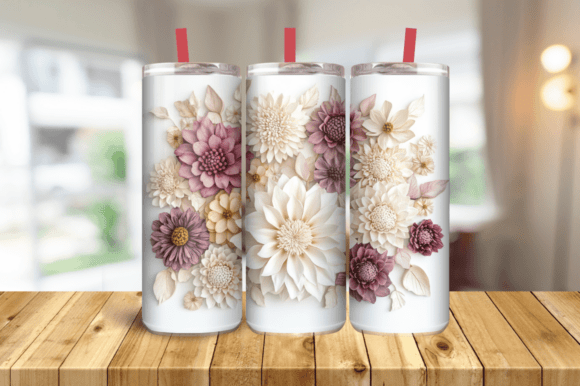
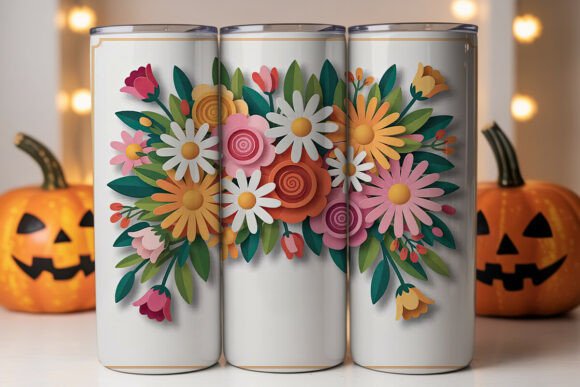
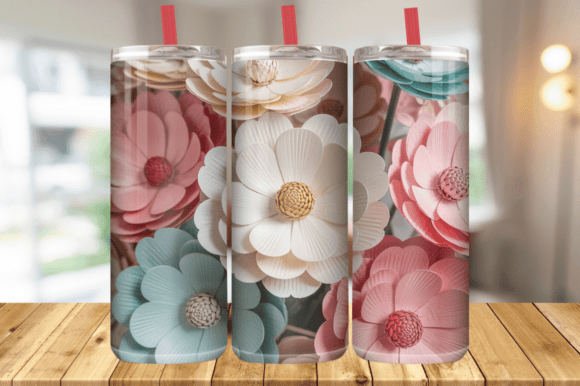
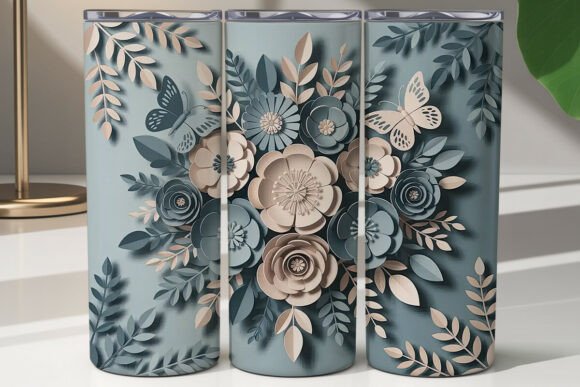
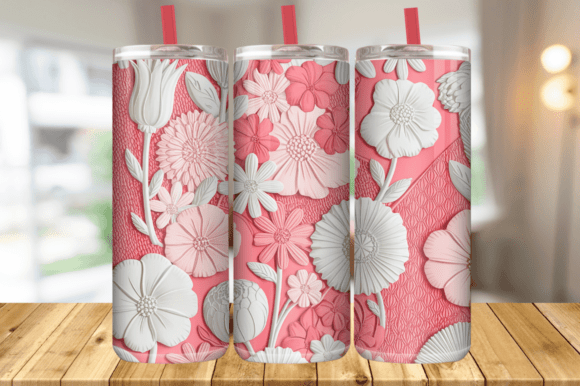
The immediate visual impact of 3D Flowers Tumber Sublimation is one of soft luxury. The term "sublimation" in the title suggests a seamless, all-over print aesthetic, which is fascinating when applied to embroidery. In theory, this design aims to mimic the fluidity of dye-infused fabric rather than the rigid structure of traditional stitched blocks. The floral elements appear to have depth, creating a 3D effect that feels organic rather than geometric.
For a designer, this mood translates perfectly into products that require emotional resonance. Think of a nursery blanket, a bridal shower gift, or a boutique tote bag. The design doesn't scream for attention with bold, aggressive shapes; instead, it invites touch. This makes it an excellent candidate for personalized gifts where the recipient values sentimentality and elegance over loud branding. The layout feels balanced, suggesting that it would work well as a central focal point on a garment or a wrap-around element on a cylindrical object like a tumbler or a pillow.
Real-World Application: Where This Design Shines
I spent some time mentally mapping out where 3D Flowers Tumber Sublimation would fit into my current project pipeline. Here is how I see it performing in specific scenarios:
- Tote Bag Design: A canvas tote is the perfect canvas for this kind of detailed floral work. The large surface area allows the design to breathe, and the sturdy fabric supports the weight of the stitching without pucker. It elevates a basic accessory into a handmade product that commands a higher price point.
- Sweatshirt Embroidery: For cozy, oversized hoodies, this design adds a touch of femininity and detail that contrasts beautifully with heavy cotton fleece. It works particularly well for holiday embroidery collections or spring-themed apparel lines.
- Baby Embroidery: The soft, flowing nature of the flowers makes it suitable for baby onesies or burp cloths, provided the stitch density is manageable. It fits the "sweet" aesthetic that parents look for in custom apparel for infants.
- Embroidered Patch: If digitized correctly, this could serve as a high-end patch for denim jackets or backpacks. The intricate details would stand out against rougher fabrics like denim, adding texture and visual interest.
In these contexts, the design acts as a design asset that enhances brand consistency. If your shop focuses on romantic, vintage, or nature-inspired themes, this file aligns perfectly with that identity. It signals professionalism to the buyer because it looks intentional and polished, not rushed or generic.
Practical Constraints: Where to Use Caution
Not every design is suitable for every surface. While 3D Flowers Tumber Sublimation is visually appealing, its complexity requires careful consideration during the production phase. There are several areas where this design might struggle if not handled with expert care.
First, consider the hoop size. If the design is large, it may require multiple hooping steps or a very large frame, which can be cumbersome for smaller home machines. More importantly, complex floral patterns often contain tiny negative spaces. On a t-shirt made of thin jersey knit, these small gaps might get lost or cause the fabric to distort if the stabilizer isn't chosen correctly.
Textured fabrics are another challenge. While the design looks beautiful on smooth cotton, attempting to stitch this on a boucle wool or a heavily textured linen might result in lost detail. The needle cannot penetrate thick piles effectively, leading to skipped stitches or uneven tension. Similarly, stretchy fabrics like spandex blends require a strong stabilizer and potentially a tear-away backing to prevent the satin stitch edges from pulling the fabric out of shape.
Dark fabrics also present a contrast issue. If the design relies on subtle shading or light-colored threads to create its 3D effect, it may disappear against black or navy backgrounds. I always recommend testing such designs in black-and-white mockups to ensure the tonal values remain distinct even without color information.
Technical Considerations for the Designer
Before incorporating 3D Flowers Tumber Sublimation into a commercial workflow, there are technical checks every designer must perform. These steps protect your reputation and ensure customer satisfaction.
- Test on Scrap Fabric: Never go straight to the final product. Stitch the design on a scrap piece of the same fabric type you plan to use. This reveals issues with thread tension, fabric puckering, or stabilizer compatibility.
- Review Stitch Density: High-density designs can become stiff and uncomfortable, especially on garments worn close to the skin. Check if the fill stitches are too dense, which might cause the design to crack or peel after washing.
- Inspect Small Details: Zoom in on the digital file. Are there any single-pixel lines or tiny isolated dots that might not stitch cleanly? These can lead to thread breaks or messy ends that require excessive trimming.
- Confirm Licensing: As an Etsy seller or small business owner, you must verify the commercial usage rights. Does the license allow you to sell finished items? Can you use it in printable mockups for marketing? Clarifying this prevents legal headaches down the road.
- Thread Color Contrast: Experiment with different thread colors to see how they interact with the fabric. Sometimes, a slightly darker shade of thread can enhance the perceived depth of a floral design.
Final Verdict: Is It Worth the Investment?
3D Flowers Tumber Sublimation is a strong addition to any designer’s library, particularly for those focusing on feminine, elegant, or nature-themed aesthetics. Its ability to mimic sublimation prints through embroidery offers a unique selling proposition for craft business owners looking to differentiate their offerings.
However, success depends entirely on execution. It is not a "set it and forget it" design. It requires thoughtful fabric selection, proper stabilization, and rigorous testing. When executed well, however, the resulting finished product has high perceived value. Customers are willing to pay more for items that look professionally crafted and visually sophisticated.
If you are ready to put in the preparation work, this design can significantly boost your embroidery project portfolio. It bridges the gap between digital artistry and tactile craftsmanship, offering a realistic path to creating memorable handmade products that resonate with buyers. Just remember: the magic is in the details, and the details are in the preparation.