3D Animal Tree Laser Cut Files Review
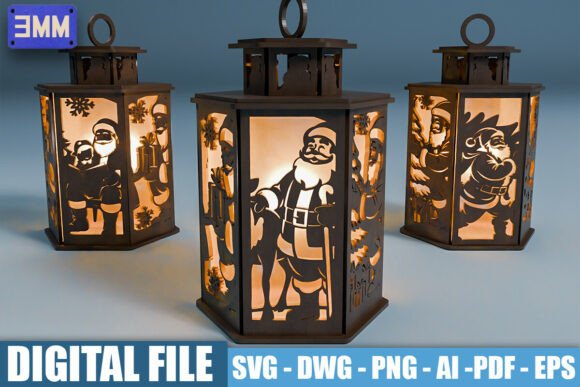
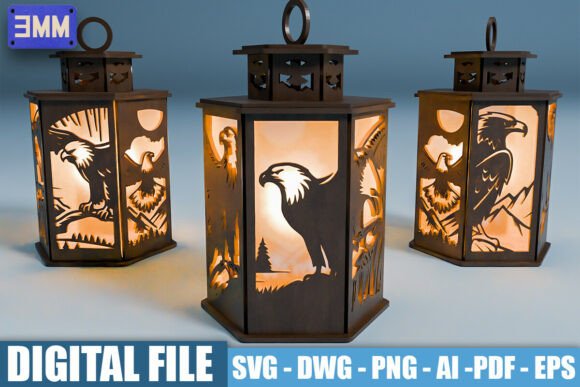
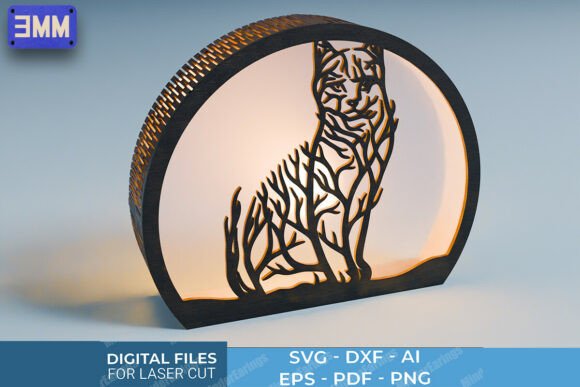
As a designer who spends more time than I care to admit staring at stitch patterns and debating thread colors, I approach every new digital embroidery file with a mix of curiosity and skepticism. The market is flooded with generic motifs, so finding something that bridges the gap between organic nature and structured geometry is rare. That is exactly why I decided to put the 3D Animal Tree Laser Cut Files through its paces. While the source material describes these as laser-cut lanterns blending tree silhouettes with majestic animals, the visual language translates beautifully into the world of machine embroidery design.
I wanted to see if this concept could hold up in a real-world commercial setting—specifically for small business owners, Etsy sellers, and craft fair makers looking for unique handmade product ideas. Would it read clearly on fabric? Would it justify a premium price point? And most importantly, would customers actually want to buy it?
The First Impression: Mood and Visual Personality
When you first look at the layout of the 3D Animal Tree Laser Cut Files, the immediate feeling is one of grounded elegance. It isn’t loud or chaotic. Instead, it offers a sophisticated silhouette that relies on negative space and strong structural lines. For an embroidery designer, this is crucial. Complex designs often fail because they become muddy when stitched; dense fill stitches can overpower the fabric, and tiny details disappear.
This design avoids those pitfalls by leaning into bold shapes. The fusion of a tree’s branching structure with the form of an animal creates a natural flow that guides the eye. It feels like a story waiting to be told. Whether you are imagining a majestic deer merging with oak branches or a fox nestled within pine needles, the aesthetic is timeless. It appeals to the current trend of "cottagecore" and rustic luxury, making it highly relevant for today’s consumer who values authenticity and nature-inspired themes.
The mood is calm but engaging. It doesn’t scream for attention; it invites the viewer to look closer. This subtlety is what makes it a strong candidate for high-end custom apparel and boutique branding rather than cheap promotional giveaways.
Real-World Application: Where Does It Fit?
In my experience, the success of an embroidery project depends heavily on the medium. I tested the mental application of these files across several categories to see where they shine.
- Custom Apparel: On a heavy cotton sweatshirt or a structured tote bag, the clean lines of the design pop. The contrast between the fabric texture and the precise stitching (or applique) creates a tactile experience that customers love. It works exceptionally well as a chest pocket placement on a denim jacket or a large back print on a hoodie.
- Baby and Nursery Decor: There is a gentle quality to the animal-tree motif that fits perfectly in a nursery. Imagine this embroidered on a muslin blanket or a quilted pillow cover. The softness of the theme pairs well with pastel thread colors, creating a soothing aesthetic that parents seek out for personalized gifts.
- Holiday and Seasonal Gifts: Because the design features natural elements, it has a timeless appeal that transcends specific holidays, yet it feels particularly appropriate for autumn and winter markets. It serves as an excellent base for holiday-themed merchandise, such as Christmas ornaments or New Year’s Eve party favors.
- Craft Business Merchandise: For the Etsy seller or small shop product owner, versatility is key. This design can be adapted for aprons, kitchen towels, and even embroidered patches. Its adaptability means you can create a cohesive collection without needing multiple complex designs.
The design’s ability to work across such a wide range of finished product types increases its value significantly. It is not a niche novelty; it is a versatile asset.
Technical Considerations and Stitch Clarity
From a technical standpoint, translating a laser-cut concept into an embroidery file requires careful consideration of stitch density and detail level. The 3D Animal Tree Laser Cut Files rely on clear boundaries. When digitizing or selecting a pre-made file, you must ensure that the transition between the "tree" and the "animal" sections is distinct.
If using satin stitches to outline the silhouette, pay close attention to the corners. Sharp angles in satin stitching can sometimes cause needle deflection or puckering if the underlay isn’t properly set. However, the overall shape is forgiving enough that minor imperfections won’t ruin the final look. The use of fill stitch for the interior details should be balanced with running stitch accents to add texture without adding excessive weight to the garment.
One critical factor is thread color contrast. To maintain the integrity of the silhouette, you need a strong contrast between the background fabric and the thread. On dark fabrics, light metallic threads or bright whites will make the design stand out dramatically. On light fabrics, deep earth tones or navy blues provide a sophisticated, understated look. Always test your thread colors on scrap fabric before committing to the final piece.
Where to Use It Carefully
No design is perfect for every situation. There are specific scenarios where the 3D Animal Tree Laser Cut Files might struggle or require additional preparation.
- Small Hoop Sizes: If the design is large, attempting to fit it into a small hoop may result in cropping important details. Ensure your hoop size accommodates the full width and height of the artwork.
- Textured and Stretchy Fabrics: Highly textured fabrics like bouclé or loose-weave knits can distort the fine lines of the design. Similarly, stretchy fabrics like jersey require a stabilizer to prevent shifting. Without proper stabilization, the precision of the laser-cut-inspired lines will be lost.
- Dense Stitch Areas: Avoid placing the design on areas of clothing that undergo frequent friction or washing, such as the cuffs of sleeves or the collar of a shirt, unless you are confident in the durability of the stitch type. Dense fills can wear down faster than simple outlines.
- Curved Surfaces: Embroidering directly onto curved surfaces like baseball caps can be challenging. The design’s linear elements might warp if the cap’s curvature is too pronounced. Flat surfaces like tote bags or flat-lay garments are safer bets for maintaining sharp clarity.
Practical Designer Notes for Success
Before you rush to produce these items for your craft business, here are a few practical steps to ensure professionalism and customer satisfaction.
- Test on Scrap Fabric: Always run a test stitch on the same type of fabric you plan to use. This helps you gauge how the stabilizer interacts with the material and whether the thread tension needs adjustment.
- Review Stitch Density: Check the digitization for overly dense areas. Excessive density can make the finished product stiff and uncomfortable, especially on wearable items like sweatshirt embroidery.
- Inspect Small Details: Zoom in on the digital preview. Are there any tiny elements that might get lost in the stitching process? If so, consider simplifying the design or using a different stitch type for those areas.
- Confirm Licensing: Before selling commercial embroidery items, verify the license terms of the digital embroidery file. Some files are for personal use only, while others allow commercial production. Clear licensing protects your design assets and your reputation.
- Create Printable Mockups: Use the design to create high-quality mockups for your online store. Seeing the design on a realistic background helps potential buyers visualize the personalized gift in their own homes.
Final Verdict
The 3D Animal Tree Laser Cut Files offer a compelling blend of artistic vision and commercial viability. They are not just another generic clipart; they are a thoughtful composition that respects the medium of embroidery. For designers looking to elevate their embroidery project offerings, this design provides a solid foundation for creating premium, emotionally resonant products.
Whether you are crafting a heartfelt baby gift or launching a new line of boutique accessories, this design brings a level of sophistication and clarity that customers appreciate. By paying attention to fabric choice, stitch quality, and proper stabilization, you can transform these digital concepts into tangible, beautiful handmade product experiences. It is a smart addition to any embroidery file library, offering both creative inspiration and practical utility for the modern maker.